Crankshafts: The Heart of Engine Performance
What Is a Crankshaft?
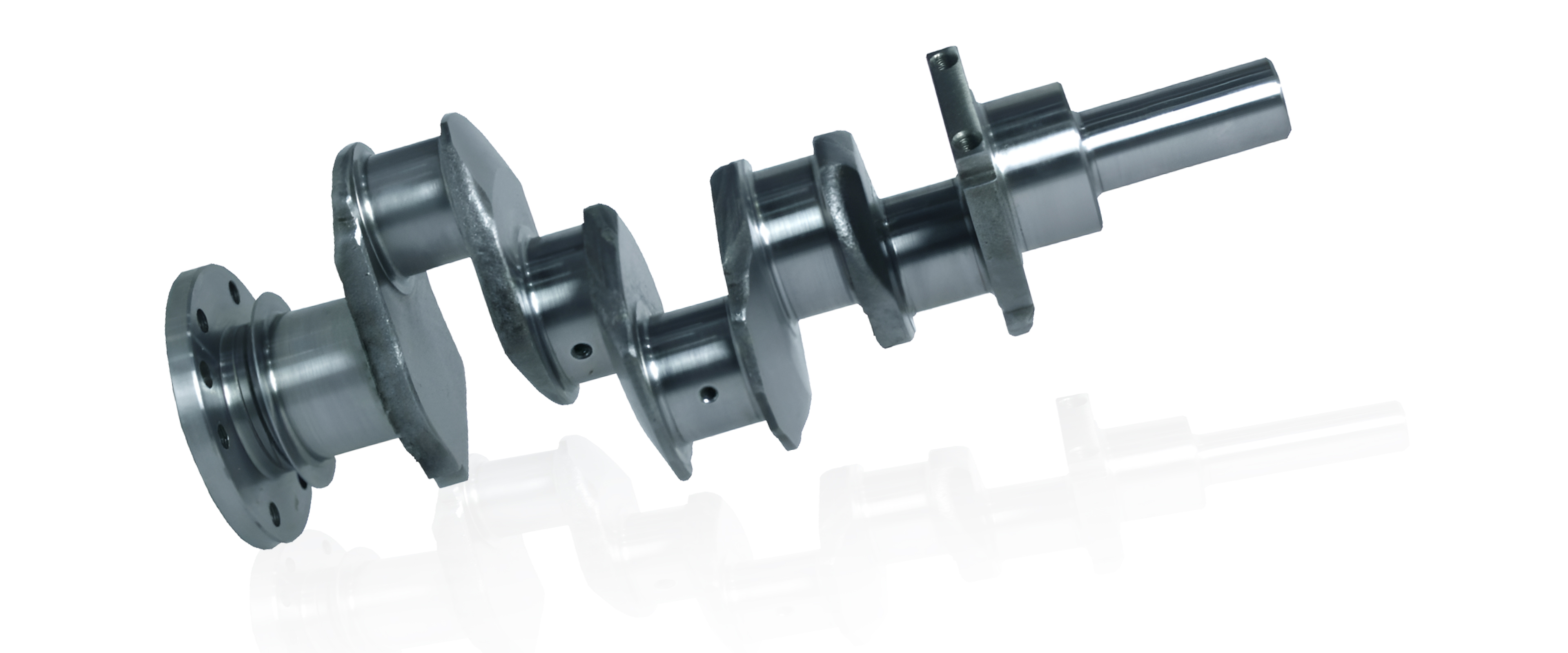
A crankshaft is a vital component of an internal combustion engine that converts the reciprocating (up-and-down) motion of the pistons into rotational motion. This rotational force is transmitted to the drivetrain, enabling the vehicle or machinery to move. Manufactured from high-strength cast iron or forged steel, crankshafts are designed to withstand extreme loads, high temperatures, and continuous operation. Their precision-engineered design ensures smooth engine performance, reduced vibration, and efficient power delivery.
Where Crankshafts Are Used:
Types of Crankshafts:
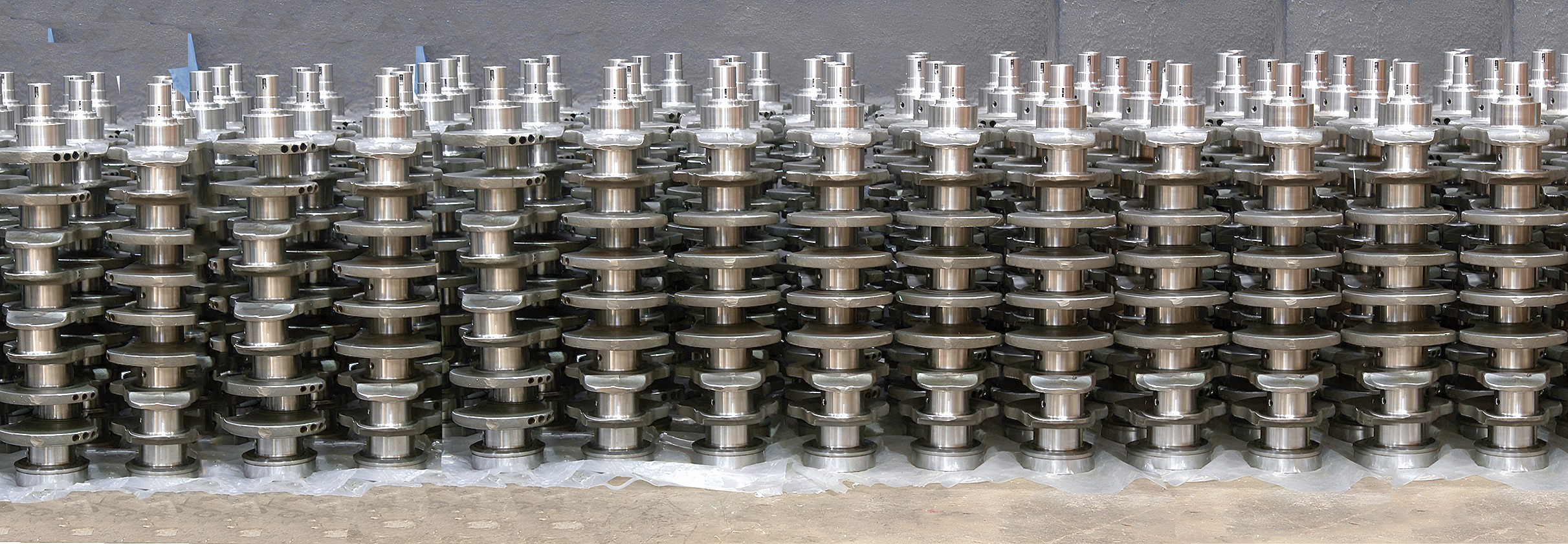
At Perfect Spares, we are committed to manufacturing high-quality crankshafts that meet stringent industry standards. Every crankshaft is produced with precision engineering and undergoes rigorous quality inspections to ensure durability, strength, and consistent performance. Our crankshafts are trusted by customers for their reliability, precision, and long service life, making Perfect Spares a dependable partner for automotive and industrial engine components.
SPECIFICATION
A crankshaft is a vital part in an internal combustion engine converting the linear motion of pistons into rotational motion used to drive the vehicle. this shift is important for force propagation devising the crankshaft relevant for engine operation and Productivity
Important Characteristics of Crankshafts:
Names in disparate languages:
At Perfect Spares, we understand the importance of a high-quality crankshaft for your engine's performance. Our crankshafts are precision-engineered using state-of-the-art technology to ensure exceptional strength, reliability, and efficiency. Choose Perfect Spares for superior-quality crankshafts designed to meet your specific requirements. Power your success with our premium engine parts.
PROCESS
Manufacturing process of Crankshafts
The manufacturing of crankshafts involves meticulous attention to detail ensuring optimal performance and reliability in internal combustion engines. Under we line the name process-forging and casting-used in the industry work on with matter considerations
1. Material Selection
Forging Process
Casting Process
Conclusion
Both forging and casting process offer their own advantages. Forged crankshafts typically provide superior strength, durability, and wear resistance, while cast crankshafts allow for more complex designs at a lower manufacturing cost. The selection of the appropriate manufacturing process depends on the desired crankshaft characteristics and application requirements. Choosing the right material and manufacturing technique is essential to achieve optimal engine performance, reliability, and long service life.
WHY TO CHOOSE
Benefits of Choosing Perfect Spares Crankshafts
Choose Perfect Spares for reliable crankshafts that drive your success!