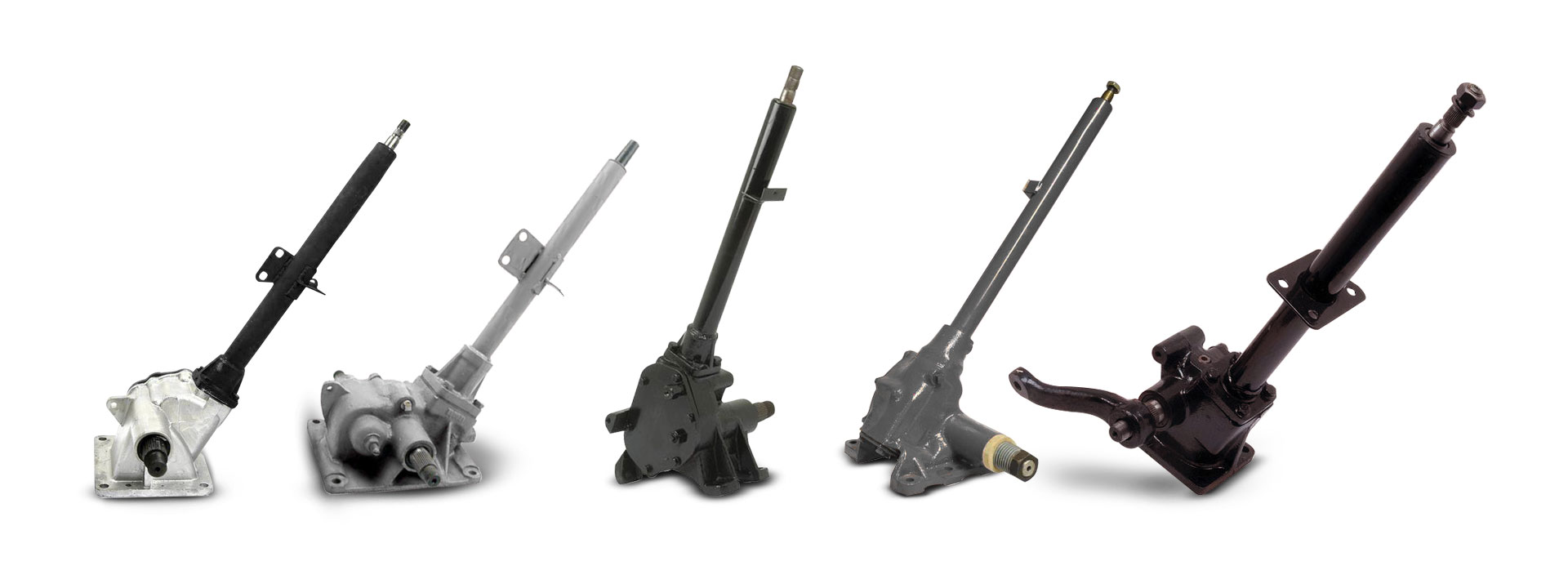
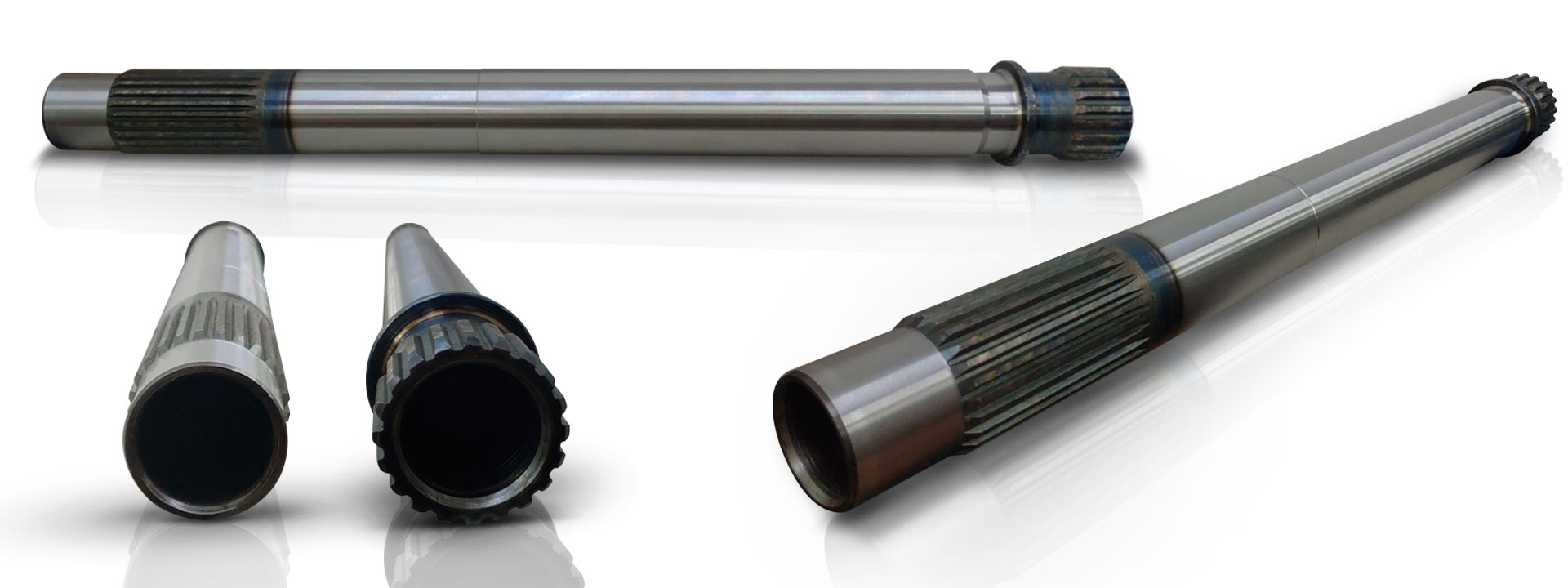
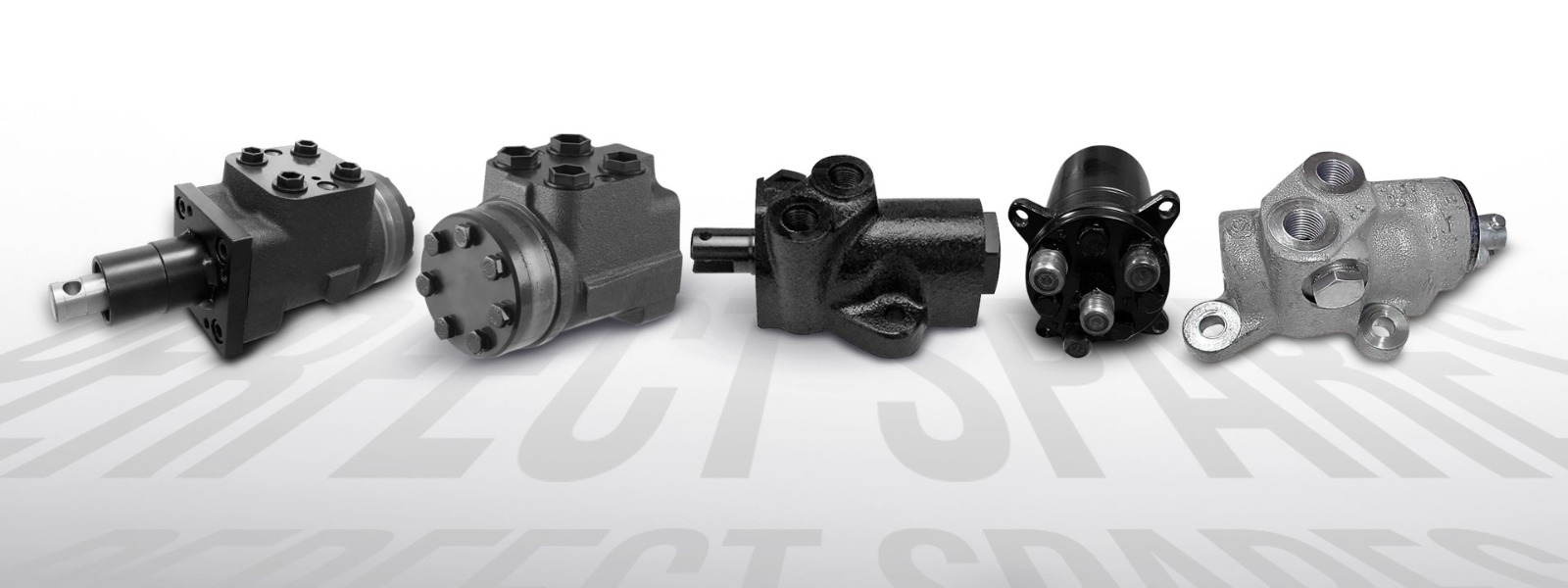
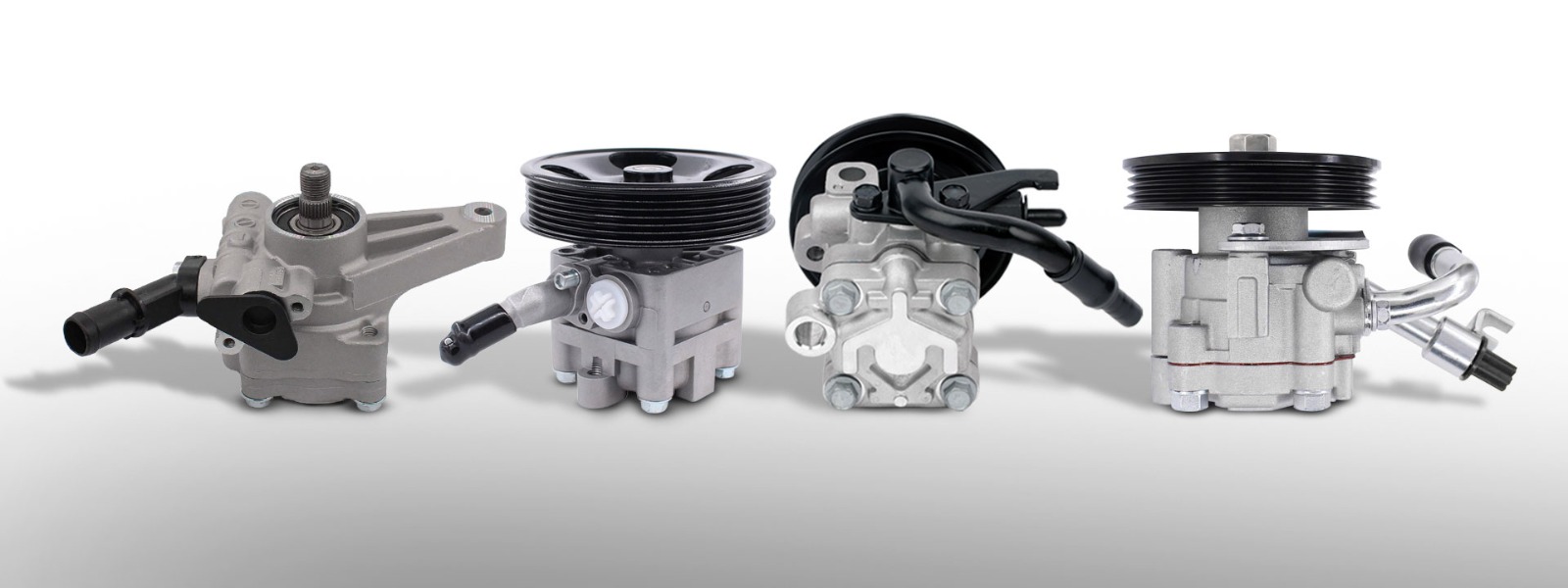
Tractor Gearbox
A tractor gearbox is the heart of the transmission system, translating engine power into usable motion and controlling the speed and torque delivered to the wheels. It houses gears, shafts, synchronizers or clutches, and gear selectors that let the operator choose the appropriate drive ratio for field conditions. A well-designed gearbox maximizes efficiency, smoothness, and durability, even under dusty, muddy, and demanding agricultural work. Here’s a clear, human-friendly guide to what a gearbox does, the common types you’ll encounter, where it sits on a tractor, and a practical, step-by-step look at installation and maintenance.
What Is a Tractor Gearbox?
- A gearbox is a careful arrangement of gears enclosed in a housing that changes the speed-torque relationship between the engine and the final drive.
- It enables multiple forward and, in many models, reverse gear ratios to suit plowing, planting, hauling, and other tasks.
- Inside, it houses gear pairs, possibly synchronizers or clutches, shift forks, and linkages that allow the operator to select different gears smoothly.
- The design manages load, heat, and efficiency, with lubrication systems and seals to keep contaminants out and oil in.
Types of Tractor Gearboxes
Note: Designs vary by manufacturer and model, but these are the main categories you’ll commonly encounter.
1. Manual Gearbox (Non-Synchronised)
- Requires double-clutching and gear matching for smooth shifts.
- Simpler, robust, often found on older or utility tractors.
2 Manual Gearbox with Synchronizers
- Uses synchronizer rings to match gear speeds before engagement, enabling smoother shifts.
- Common on many modern farm tractors for easier operation.
3. Semi-Automatic/Automated Manual
- Shifts are actuated by hydraulic or electronic systems while the driver still selects the gear.
- Reduces operator workload, improves consistency in shifting.
4. Fully Hydraulic or Power-Shift
- Uses hydraulic or electro-hydraulic control to select gears without using a clutch pedal.
- Common on utility and medium-to-high horsepower tractors for heavy-duty tasks.
5. Dual-Range or Power Split Gearboxes
- Offers multiple ranges (e.g., low, medium, high) or split power paths to expand gear options without additional gears.
- Optimizes torque for tough field work and efficiency on long runs.
6. CVT/Continuously Variable Transmission (where applicable)
- Not universal in agriculture, but some modern tractors use CVT for seamless, stepless speed control.
- Excellent traction and fuel efficiency on varying terrain.
7. Electric or Hybrid Gearing (emerging)
- Integrates electronic control with traditional gears for precision shifts and adaptive performance.
- Found in newer, tech-forward models.
Where It Is Installed on a Tractor
- Located between the engine and the final drive/axles, typically housed in a robust casing under the main drivetrain cover.
- In front-wheel-drive or four-wheel-drive configurations, you may find a gearbox connected to both front and rear drive axles.
- It interfaces with the clutch or torque converter on the input side and with the transfer to the final drive on the output side.
- In some tractors, the gearbox is part of a modular transaxle assembly, combining multiple functions (gearbox, differential, and sometimes PTO) into a single unit.
- Areas around the operator station often include access points for gear shifts, linkage, and electronic controls.
Common touchpoints:
- Shift forks, selector rods, and linkages for gear changes.
- Input and output shafts, bearings, and seals that handle torque and lubrication.
- Lubrication system hoses and covers to manage heat and wear.
- Cooling fins or oil coolers in high-horsepower machines.
Installation and Maintenance
1. Preparation
- Verify gearbox type, gear ratios, input/output shaft counts, and mounting interfaces match the tractor model.
- Gather tools: torque wrench, alignment tools, oil pump, drain pans, and lubrication.
2. Dismantling
- Remove protective covers, hydraulic lines, and any PTO or drivetrain attachments as needed.
- Drain oil, disconnect linkage, and note routing for reassembly.
3. Removing the Old Gearbox (if replacing)
- Unbolt mounting points and carefully separate the assembly from the engine and final drive.
- Inspect adjacent components for wear or damage.
4. Inspect and Replace Components
- Check bearings, seals, and gears for wear; replace as necessary.
- Inspect clutch or torque converter interface and ensure proper alignment.
5. Install the New or Rebuilt Gearbox
- Position the gearbox, align input/output shafts, and bolt to the frame with the correct torque in a crisscross pattern.
- Reconnect hydraulic lines, cables, and electrical controls if present.
- Refill with the recommended gear oil or hydraulic fluid.
6. Alignment and Function Check
- Verify shift linkage alignment and smooth engagement through all gears.
- Check for unusual play, binding, or noises during manual operation or with a test run.
7. Testing and Fine-Tuning
- Run under light load to check for leaks, overheating, or shifting issues.
- Test under typical field conditions to confirm performance and reliability.
- Re-torque bolts after a short break-in period if specified by the manufacturer.
If you’d like, I can tailor this content to specific tractor models, include model numbers, or adjust the tone to be more technical, marketing-focused, or customer-friendly.