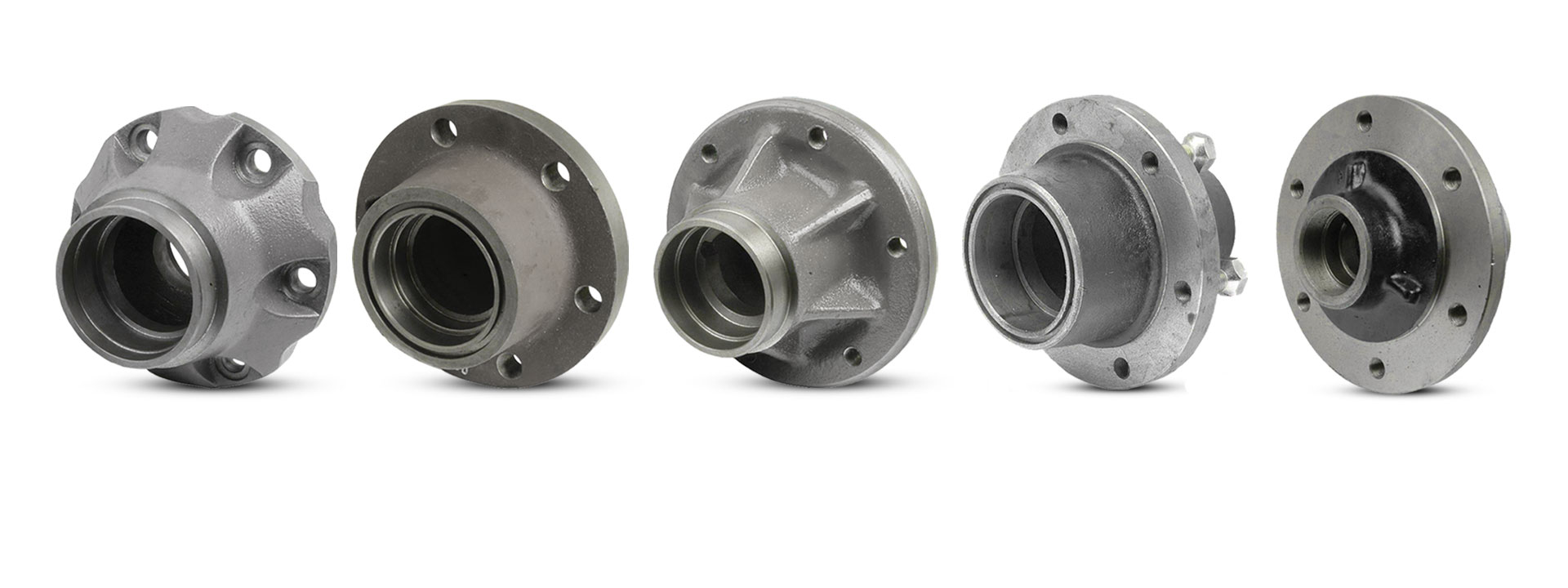
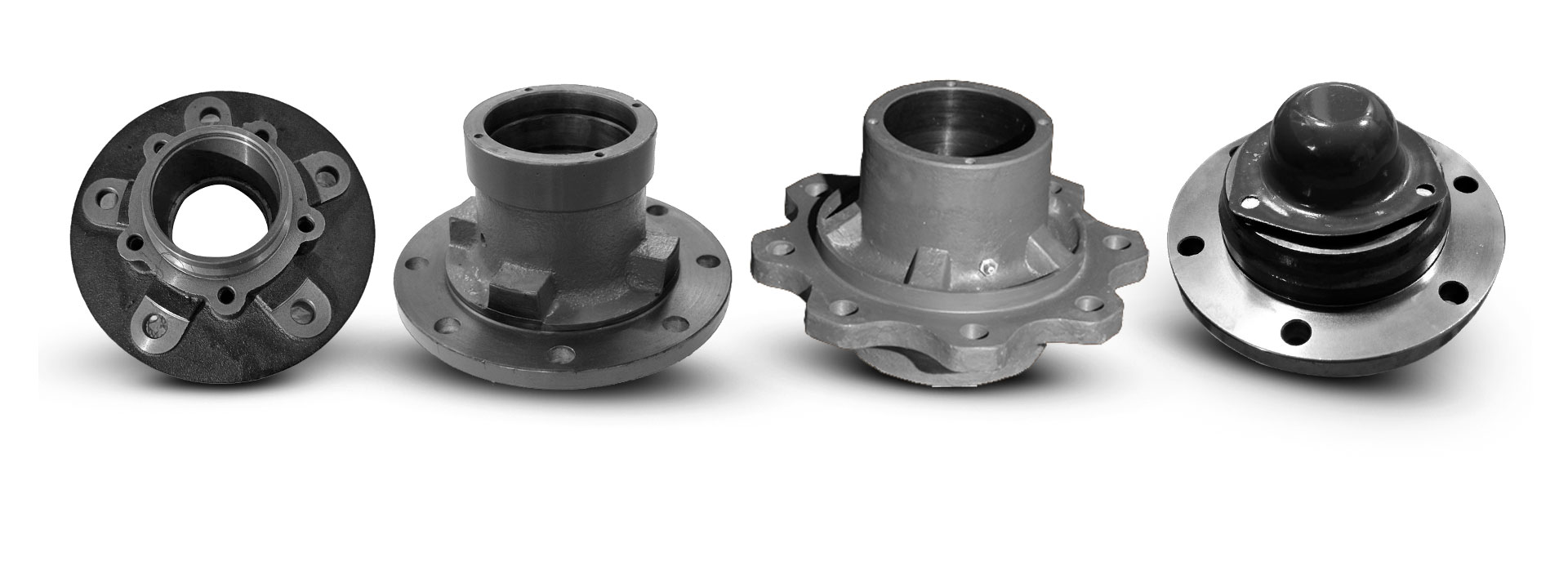
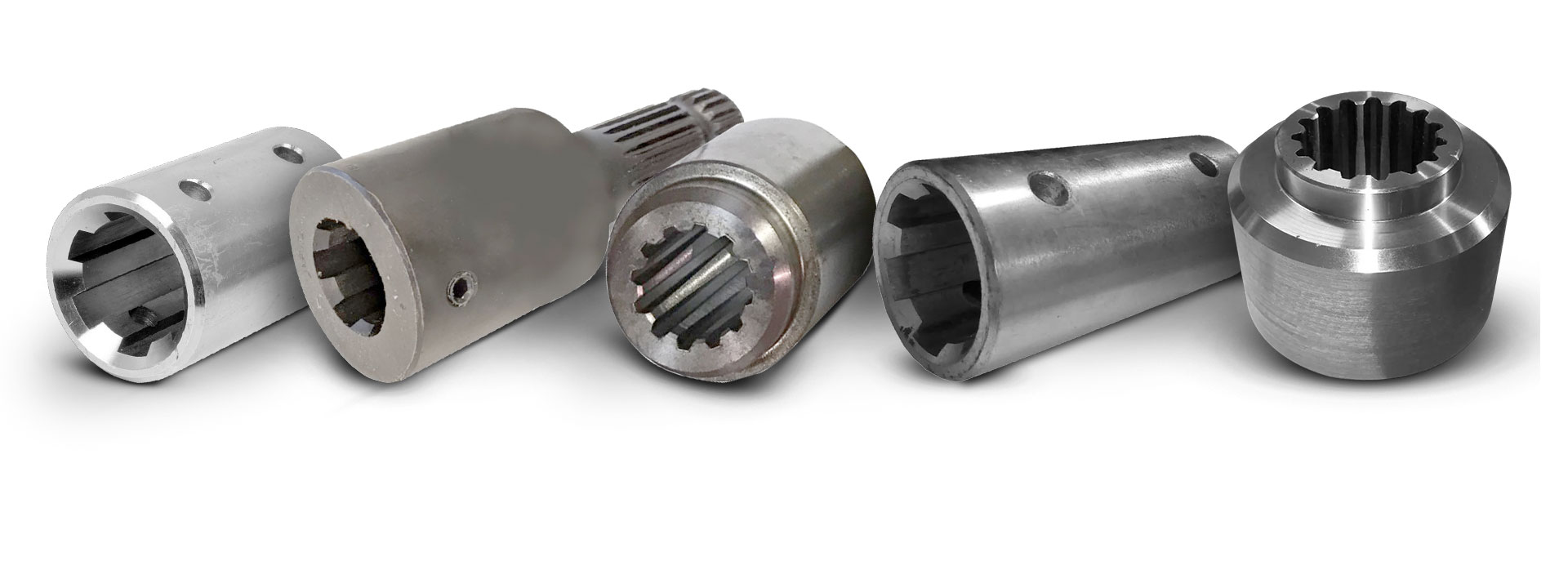
The tractor wheel hub is an important part where the wheel meets the driveline. It holds the bearings gives you a place to put the wheel and usually works with the brakes, suspension or steering. A good tractor wheel hub makes sure the wheel turns smoothly the brakes work right and it lasts a time even when it is dirty, muddy and being used a lot in the field. The tractor wheel hub is something that has to be strong because it gets used much. Here is a simple overview to help you understand what a wheel hub does. A wheel hub is an important part of a tractor. The wheel hub is the thing that the wheel is attached to. There are a few types of wheel hubs that you will see. You need to know where the wheel hub is, on a tractor. The wheel hub is usually located near the wheel. We will also tell you how to install a wheel hub and how to take care of it. This will help you understand the wheel hub and how it works on a tractor.
What is a Tractor Wheel Hub?
- The wheel hub is where the wheel and axle come together. The wheel hub turns when the wheel turns. It also holds up the weight that comes from the chassis. The wheel hub is really important because it is the central meeting point, for the wheel and axle.
- Inside the hub there are bearings. These bearings are really important. They help reduce friction. The bearings also have to handle the weight of the machine. They have to deal with braking forces and rough terrain. The bearings take care of the axial loads that come from all these things. The hub and the bearings work together to make sure the machine runs smoothly. The bearings, inside the hub are what make this happen.
- The hub is a part that has places to attach things like wheels. It has bolt patterns so you can put the wheels on. You can use studs or bolts to do this. The hub also helps hold the brake discs or brake drums in place. This is important, for the wheels of your vehicle. The hub and the wheels and the brake discs or drums all work together.
- Seals and lubrication passages inside the hub protect bearings from dirt and moisture, extending service life.
Types of Tractor Wheel Hubs
Designs are different depending on who makes them and what model they're but these are the main types of designs you will usually see.
1. Conventional Drum Brake Hub
- This thing works with a drum brake setup. The drum brake is usually attached to the hub of the wheel. The drum brake setup is important here because it is what makes the whole thing work with the drum brake.
- Typical in older or lighter-duty tractors.
2. Disc Brake Hub
- The car has a brake rotor that is attached to the hub. This makes the brakes work well and feel modern. It gives you braking, which is what you want when you are driving the car and you need to stop the car quickly. The brake rotor is an important part of the cars braking system and it is mounted to the hub.
- Common in newer or higher-performance tractors.
3. Floating (Non-Driven) Hub
- The hub is able to turn around because it is on bearings. The drive axle goes through the hub. Very close, to it. The hub is what rotates freely on these bearings.
- Simpler construction and adequate for many 2WD applications.
4. Fixed (Rigid) Drilled Hub
- Solid mounting surface for the wheel with precise bolt patterns.
- Robust and straightforward, used in many standard configurations.
5. Driven/Active Hub (with ABS or Electronic Controls)
- This thing has sensors and interfaces, for the -lock Braking System or the traction control systems. The Anti-lock Braking System and the traction control systems are pretty important. The sensors and interfaces are there to help the Anti-lock Braking System and the traction control systems work properly.
- Found on modern, high-end tractors with advanced safety features.
6. Cast vs. Machined Hubs
- Cast hubs are cost-effective and sturdy for standard use.
- Machined hubs and billet hubs are really good because they have tolerances, which means they are made to fit together perfectly. This makes them lighter in weight. They work a lot better. The performance of machined hubs and billet hubs is also higher which is a big plus, for machined hubs and billet hubs.
7. Center/Conical Hubs
- Feature a conical or stepped bore design to optimize alignment and wheel seating.
- Common in specialty setups or particular tractor models.
Where It Is Installed on a Tractor
- Front wheels: Front wheel hubs are mounted on the steering knuckles or axle ends, supporting steering input and front braking, if equipped.
- Rear wheels: Rear wheel hubs attach to the rear axle or drive shaft assemblies, often integrating with brakes and final drives.
- Wheel end area: Hubs sit at the wheel mounting face, with studs or bolts securing the wheel. They also provide mounting points for brake rotors/discs or drums.
- Bearing and seal zone: Inside the hub, bearings are housed with seals to protect against dirt and to retain lubrication.
- Suspension interfaces: On tractors with independent or beam-style suspensions, hubs connect to control arms, spindle housings, or suspension adapters.
Installation and Maintenance: Step-by-Step Overview
1. Preparation
- Check if the hub is compatible: make sure the hub fits the wheel pattern, axle kingpin or spindle the type of brake and the quick release or bolt pattern of the wheel.
- Gather tools: torque wrench, bearing pullers, seal drivers, thread locker, and clean lubrication.
2. Dismantling
- Remove the wheel and brake components (if applicable).
- Clean the hub area and inspect the spindle or axle for wear, scoring, or damage.
- Remove the old hub if replacing; preserve mounting hardware if reusable.
3. Bearing Replacement (if needed)
- Press out old bearings using appropriate tools.
- Clean seating surfaces and inspect for grooves or damage.
- You need to put in bearings. These new bearings have to fit right. You do this by using a tool like a bearing press or a driver to get the correct fit, for the new bearings.
4. Seal and Lubrication
- Install new seals, ensuring proper orientation.
- Repack or replenish lubricant as required by the hub design.
- Make sure you route all the lubrication channels in a way and check that the seals are properly in place, on the machinery. You need to verify that the seals are seated correctly on the equipment to avoid any problems. Route the lubrication channels cleanly and double check the seals.
5. Mounting the Hub
- Slide the hub onto the spindle or axle, aligning bolt holes.
- Install spacers, bearings, and any shims to achieve proper preload and axial positioning.
- Tighten mounting bolts to the manufacturer-recommended torque in a star pattern.
6. Wheel Attachment
- Mount the wheel with the correct bolt pattern and torque the lug bolts or studs to spec.
- If the brakes or rotors were taken off you need to put the brakes or rotors, on.
7. Adjustment and Testing
- Spin the wheel to confirm smooth